
Hi, I'm Kim Jisung. I live in Oklahoma. Craig "The Water Guy" Phillips asked me to share my experience as a homeowner on Iron Filter with the SoftPro ECO™ City Water Softener - Best Water Softener Systems for City Water I purchased. This is how my adventures played out. I hope this helps you in your decision.
Did you know that even treated city water can wreak havoc on your home's plumbing and appliances? I learned this the hard way after years of dealing with stubborn mineral buildup, dingy laundry, and that uncomfortable feeling on my skin after every shower.
After six months with the SoftPro ECO water softener, I'm finally ready to share my complete experience—the good, the challenging, and everything in between. If you're wrestling with hard water issues like I was, this detailed review might save you from making the same mistakes I almost did.
My Hard Water Nightmare: The Problems That Started It All
Living in Oklahoma, I thought dealing with hard water was just part of life. Boy, was I wrong about accepting it as normal.
The first sign something was seriously wrong came when I noticed white, chalky residue building up around every faucet and showerhead in my home. At first, I blamed it on cheap fixtures, but even after upgrading to higher-quality hardware, the problem persisted—and actually got worse.
My morning coffee started tasting off, with a metallic undertone that no amount of premium beans could mask. The dishwasher, which was less than two years old, began leaving spots on glassware that looked like someone had splattered them with milk and let it dry.
The breaking point came when I calculated how much extra detergent and soap I was using. My monthly cleaning supply budget had nearly doubled because nothing seemed to lather properly or rinse clean. Clothes came out of the washer feeling stiff and looking dingy, even with premium detergents.
What really opened my eyes was when our water heater started making strange noises.
The technician who came out explained that mineral buildup was choking the heating elements. At only four years old, we were looking at either expensive repairs or early replacement—all because of calcium and magnesium wreaking havoc inside the tank.
I tested our water with a basic hardness kit from the hardware store and got readings of 18 grains per gallon. According to everything I researched, anything above 10 grains is considered "very hard," so we were well into problem territory.
The health impacts bothered me most. My wife started complaining about dry, itchy skin after showers, and our daughter's eczema seemed to flare up more frequently. While I couldn't definitively blame the water, the correlation was hard to ignore.
Research Phase: Learning What I Actually Needed
Once I committed to solving our hard water problem, I dove deep into research. I quickly realized there's a lot more to water softening than I initially thought.
The first thing I learned was the difference between salt-based and salt-free systems. Salt-based ion exchange actually removes hardness minerals by swapping calcium and magnesium ions with sodium ions. Salt-free systems, technically called water conditioners, change the structure of minerals so they're less likely to stick to surfaces—but they don't actually remove them.
Given our severe hardness levels, most experts recommended true ion exchange softening. The salt-free options might work for mild hardness, but at 18 grains per gallon, we needed the real deal.
Capacity became the next major consideration. Water softeners are rated in grains of hardness they can remove before regeneration. With our usage patterns—family of three, moderate water consumption—and our hardness level, I calculated we'd need at least a 48,000-grain capacity to avoid constant regeneration cycles.
Efficiency ratings caught my attention because I'm always conscious about environmental impact.
Traditional softeners can waste a lot of water and salt during regeneration. Look for systems with demand-initiated regeneration that only clean themselves when actually needed, rather than on arbitrary timers.
NSF certification became non-negotiable. NSF/ANSI Standard 44 specifically covers water softeners, ensuring they actually perform as advertised. I also wanted NSF/ANSI Standard 61 certification, which verifies that system components won't leach harmful substances into treated water.

Installation requirements varied dramatically between brands. Some needed professional installation with complex bypass valve configurations, while others were designed for easier DIY setup. Given that I'm reasonably handy but not a plumber, I wanted something in the middle—comprehensive enough to be effective, simple enough to install myself with proper instructions.
Why I Chose the SoftPro ECO System
After weeks of comparing options, the SoftPro ECO stood out for several specific reasons that aligned with our situation and priorities.
The metered regeneration system was the first major selling point. Instead of regenerating on a preset schedule regardless of actual water usage, the ECO monitors water consumption and only initiates cleaning cycles when the resin bed is actually saturated. This meant lower salt consumption, less water waste, and more consistent soft water availability.
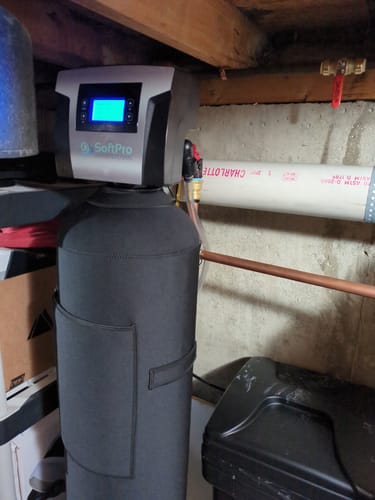
The digital control head impressed me with its programming flexibility.
I could adjust regeneration timing, hardness compensation, and even delay cycles during peak usage times. Coming from zero automation, having this level of control felt like a significant upgrade.
Build quality looked best water softener system for city water superior to some alternatives I examined in person. The mineral tank uses a corrosion-resistant fiberglass construction rather than cheaper plastic or steel options that might degrade over time. The resin bed contains high-capacity ion exchange media rated for longer service life than standard residential systems.
SoftPro's bypass valve design simplified installation considerably. Rather than requiring separate valve purchases and complex plumbing modifications, everything needed for integration came included. The connection points matched standard residential plumbing sizes, avoiding additional adapter requirements.
Salt efficiency specifications claimed up to 75% less salt usage compared to timer-based systems. With salt prices continuing to rise, and environmental concerns about sodium discharge, this efficiency could provide both cost savings and peace of mind over years of operation.
The manufacturer's track record and warranty terms also influenced my decision. SoftPro has been manufacturing water treatment equipment for decades, and the ECO comes with a comprehensive warranty covering both parts and performance.
Unboxing and Initial Setup Experience

The SoftPro ECO arrived via freight delivery in much better condition than I expected for such a substantial piece of equipment.
Unpacking revealed thoughtful packaging design. The main mineral tank and brine tank were separately wrapped and cushioned, with all smaller components organized in clearly labeled boxes. Nothing appeared damaged, and the finish quality exceeded my expectations—this looked like professional-grade equipment, not a consumer appliance.
The installation manual was surprisingly comprehensive without being overwhelming.
Clear diagrams showed each connection point, and the troubleshooting section covered most scenarios I could imagine encountering. They even included a phone number for technical support, which gave me confidence tackling the installation myself.
Physical dimensions matched specifications exactly. I'd measured our utility room carefully, and the system fit perfectly in the designated space with adequate clearance for maintenance access. The bypass valve positioned exactly where predicted, aligning with existing plumbing without requiring modifications.
Component quality impressed me immediately. The digital control head felt solid and responsive, with a clear display that was easy to read even in our dimly lit utility room. All fittings and connections appeared to be premium materials rather than the plastic components I'd seen on some competing systems.
Pre-installation preparation required about an hour of organizing tools and reviewing instructions. I appreciated that SoftPro listed every tool needed, including some specialty items I had to borrow from a neighbor. Having everything ready beforehand made the actual installation much smoother.
Installation Journey: Easier Than Expected
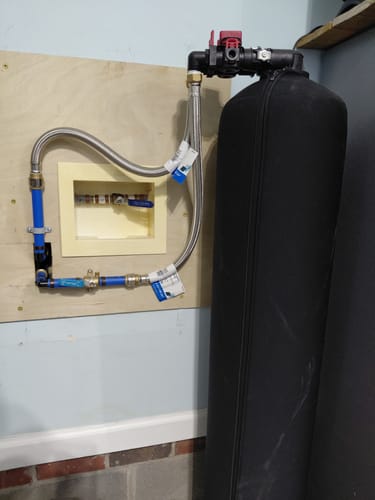
Installing the SoftPro ECO took most of a Saturday, but the process was more straightforward than I'd anticipated for such a sophisticated system.
Location selection proved critical. The system needed to be positioned after the main water line but before any branches to ensure all household water gets treated. I chose a spot in our utility room that provided easy access to electrical power, a floor drain for regeneration discharge, and adequate space for salt loading.
The bypass valve installation was the most complex step, but SoftPro's design made it manageable.
Rather than requiring extensive pipe cutting and fitting, their valve system connected inline with minimal modification to existing plumbing. I only needed to cut the main line in one location and install the bypass assembly.
Electrical connection required a standard 110V outlet, which I already had nearby. The power consumption is minimal—only drawing electricity during regeneration cycles and for the digital controller. No special wiring or dedicated circuits needed.
Setting up the brine tank was surprisingly simple. The salt storage compartment holds up to 300 pounds of salt, which provides several months of operation in our usage scenario. The brine valve and injector system came pre-assembled, requiring only connection to the main unit.
Programming the control head took about 30 minutes of careful attention to the manual. I entered our water hardness level, household size, and preferred regeneration timing. The system calculates optimal regeneration frequency automatically based on these parameters and actual water usage patterns.
Initial startup involved running several regeneration cycles to properly condition the resin bed and flush any manufacturing residues. The first cycle took about two hours, during which I monitored for leaks or unusual behavior. Everything operated smoothly, with regeneration sounds being much quieter than I'd expected.
Testing the installation required checking multiple taps throughout the house.
Within a few hours, I could already detect differences in water feel and taste. The soap in our kitchen sink suddenly produced abundant lather, and the metallic taste in drinking water had noticeably diminished.
Real-World Performance: Six Months of Daily Use
After six months of consistent operation, I can provide concrete data on how the SoftPro ECO has performed in our real-world conditions.
Water quality improvement exceeded my expectations.
I tested our treated water hardness at 1 grain per gallon consistently, down from the original 18 grains. This represents a 94% reduction in hardness minerals, which aligns with SoftPro's performance specifications.
The most immediate improvement was in soap and detergent effectiveness. Our monthly cleaning supply costs dropped by approximately 40% because everything lathers better and rinses cleaner. Dishwasher detergent consumption decreased significantly, and we no longer need rinse aids to prevent water spots.
Appliance protection benefits became apparent within the first month. Our coffee maker stopped developing mineral buildup, and the water heater began operating more quietly as existing scale gradually dissolved. The dishwasher's internal components look cleaner during routine maintenance.
Personal comfort improvements were dramatic. My wife's skin irritation disappeared almost immediately, and showers feel noticeably different—softer water creates a slick feeling that took some adjustment initially. Hair feels softer and looks shinier without requiring different products.
Regeneration frequency settled into a predictable pattern. With our current usage, the system regenerates approximately every 8-10 days, consuming about 8 pounds of salt per cycle. This frequency provides consistent soft water availability without wasteful over-regeneration.
Salt consumption averaged 25 pounds per month, significantly less than the 40-50 pounds typical of timer-based systems.
The demand-initiated regeneration feature delivers the promised efficiency benefits, reducing both operating costs and environmental impact.
System reliability has been excellent. The digital controller accurately tracks usage and initiates regeneration at optimal intervals. I haven't experienced any mechanical issues, leaks, or performance degradation over six months of continuous operation.

Flow rate impact was minimal. Even during peak usage periods—simultaneous showers and dishwasher operation—I measured only a 2-3 PSI pressure drop across the system. Water delivery remains strong throughout the house.
Operating Costs and Long-Term Value
Understanding the true cost of ownership was essential for evaluating whether the SoftPro ECO provides good value over time.
Salt represents the primary ongoing expense. At current prices, our monthly salt consumption costs approximately $12-15, depending on where I purchase it. Buying in bulk from warehouse stores provides the best value, though I need to factor in storage space requirements.
Electricity consumption is negligible—maybe $3-4 per month based on our utility rates.
The system only draws power during regeneration cycles and for the digital controller, making it much more efficient than I'd expected for an automated system.
Water usage during regeneration averages 50-60 gallons per cycle. At our municipal water rates, this adds roughly $8-10 monthly to our bill. While not insignificant, it's offset by savings in cleaning products and reduced appliance maintenance needs.
Maintenance costs have been minimal so far. The resin bed is rated for 10 years of service, and the digital controller includes diagnostic features that monitor system health. Annual maintenance involves checking salt levels and cleaning the brine tank—tasks I can handle myself.
Savings calculations show positive return on investment. Reduced detergent costs, eliminated bottled water purchases, and extended appliance life provide measurable benefits. I estimate breaking even on the purchase price within 2-3 years of operation.

Appliance protection value is harder to quantify but potentially substantial. Our water heater manufacturer explicitly states that hard water voids warranty coverage, so proper treatment protects a $1,500 investment. Dishwasher and washing machine longevity should also improve significantly.
Energy efficiency improvements provide additional savings.
Scale-free heating elements operate more efficiently, reducing energy consumption for hot water production. While I haven't measured this precisely, industry studies suggest 15-25% efficiency improvements with properly softened water.
Final Assessment: Is the SoftPro ECO Worth It?
After six months of ownership, I'm confident the SoftPro ECO was the right choice for our hard water situation, though it's not perfect for everyone.
The system excels in homes with moderate to severe hardness levels where consistent performance matters.
If you're dealing with 10 grains per gallon hardness, the ECO provides reliable, efficient treatment that delivers noticeable improvements throughout your home.
Installation complexity sits in the sweet spot for handy homeowners. It's sophisticated enough to provide professional-grade results but designed thoughtfully enough for DIY installation with careful attention to instructions. Professional installation remains an option for those preferring expert setup.
Operating costs are reasonable and predictable. The demand-initiated regeneration feature delivers real efficiency benefits compared to timer-based alternatives, though you'll still need to budget for ongoing salt and minimal utility costs.
Build quality and reliability have exceeded expectations. This feels like equipment designed for years of trouble-free operation rather than a consumer appliance requiring frequent attention or replacement.
The system might be overkill for mild hardness situations or households with minimal water usage.
If you're dealing with 5 grains or less, simpler solutions might provide adequate results at lower cost. Similarly, vacation homes or low-usage scenarios might not justify the investment.
Would I purchase the SoftPro ECO again? Absolutely.
The combination of performance, efficiency, and reliability has transformed our household water quality in ways that improve daily life. From better-tasting coffee to softer skin to protected appliances, the benefits justify both the initial investment and ongoing operating costs.
For homeowners struggling with hard water issues like we were, the SoftPro ECO provides a professional-grade solution that actually works as advertised. Just make sure your situation matches what this system does best: treating moderate to severe hardness efficiently and reliably for years to come.