
Hi, I'm Lisa O.. I live in Florida. Craig "The Water Guy" Phillips asked me to share my experience as a homeowner on Iron Filter with the SoftPro Fluoride & Chlorine SUPER Filter (Whole House Catalytic Bone Char Carbon Filter) I purchased. This is how my adventures played out. I hope this helps you in your decision.
Did you know that the average American household consumes over 300 gallons of water daily, yet most of us have no idea what's actually flowing through our taps?
Six months ago, I found myself staring at yet another glass of cloudy tap water, wondering if I was slowly poisoning my family. The metallic taste had gotten so bad that even my coffee—my sacred morning ritual—tasted like pennies.
After countless hours researching water filtration systems and dealing with confusing installation manuals, I finally installed the SoftPro Whole House Upflow Catalytic Bone Char Carbon Water Filter. What followed was a journey of frustration, discovery, and ultimately, remarkable transformation in our home's water quality.
This isn't your typical glowing product review. I'm going to share the real story—the installation headaches, the weekend without customer support, the moments I questioned my decision, and yes, the impressive results that eventually won me over. If you're considering a whole house water filtration system, especially this specific SoftPro model, you need to know what you're really getting into.
The Water Nightmare That Started It All
Living in Florida means dealing with water that's seen better days. Our municipal supply, while technically "safe" according to EPA standards, told a different story in our daily lives. The signs were everywhere, but I'd been ignoring them for months.
Every morning, I'd notice that chalky film on our glassware, no matter how carefully I washed them. My wife complained constantly about her hair feeling dry and brittle after showers. Our stainless steel appliances were developing those stubborn water spots that seemed immune to every cleaning product on the market.
But the breaking point came when I tested our water with a simple TDS (Total Dissolved Solids) meter I'd bought online. The reading showed 340 ppm—not dangerous, but far from the ideal 50-150 ppm range I'd researched. More concerning was the distinct chlorine smell that hit you the moment you turned on any faucet.
What was actually in our water that was causing these problems?
Through my research, I learned that Florida's groundwater naturally contains high levels of dissolved minerals like calcium and magnesium. Our municipal treatment facility adds chlorine for disinfection, which creates that swimming pool smell. But they also use chloramine—a chlorine-ammonia compound that's harder to remove and can affect taste dramatically.
The health implications started weighing on me. While these contaminants weren't immediately dangerous, long-term exposure to chlorination byproducts has been linked to various health concerns. Plus, the hard water was literally costing us money through reduced appliance efficiency and increased soap consumption.
I'd tried pitcher filters, but filtering 300 gallons daily through a tiny carbon cartridge was like trying to empty a swimming pool with a teaspoon. We needed a whole-house solution, but the options seemed overwhelming and expensive.
Research Journey: Why I Chose This Specific System
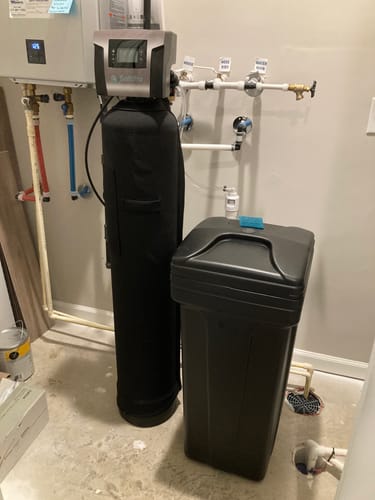
I spent weeks diving deep into water filtration technologies, and honestly, the learning curve was steeper than I expected. The terminology alone was intimidating—catalytic carbon, bone char, upflow versus downflow, backwashing schedules, and service flow rates.
Initially, I considered simpler solutions. Standard activated carbon filters seemed appealing due to their lower cost, but they struggle with chloramines and have shorter lifespans in high-usage households. Salt-based water softeners would address the hardness minerals but wouldn't touch the chemical contaminants that concerned me most.
The SoftPro Upflow Catalytic Bone Char Carbon system caught my attention because it addressed multiple issues simultaneously. The catalytic carbon is specifically engineered to break down chloramines—something regular activated carbon struggles with. The bone char component adds another layer of contaminant removal, particularly for fluoride compounds that many systems miss entirely.
What made this system stand out from the competition?
The upflow design was a key differentiator. Unlike traditional downflow filters where water pressure can create channeling (water finding the path of least resistance), upflow systems ensure contact with the entire media bed. This means better filtration efficiency and longer media life.
The tank construction impressed me too. The fiberglass-wrapped pressure vessel is rated for residential water pressure fluctuations, and the Fleck control valve has a reputation for reliability in the water treatment industry. These aren't the cheapest components, but they're built for 24/7 operation.
Size-wise, I needed something that could handle our household's peak demand. With two teenagers who take lengthy showers, our peak flow rate hits about 8-10 gallons per minute. The system's 7 GPM service flow rate meant minimal pressure drop during high-demand periods.
The certifications sealed the deal. NSF/ANSI Standard 42 certification for chlorine reduction and NSF Standard 61 for health safety gave me confidence in the system's performance claims. Too many online filters make bold promises without third-party verification.
Unboxing and First Impressions
The system arrived via freight delivery, which should have been my first hint about its substantial size. The delivery driver and I wrestled a 150-pound crate off his truck, and I immediately appreciated why they recommend professional installation.
Inside the packaging, everything was meticulously protected. The main pressure tank, wrapped in heavy-duty plastic and foam padding, showed no shipping damage. The Fleck 5600SXT control head came separately boxed, along with the bypass valve assembly and installation hardware.
My first impression was how solid everything felt. The fiberglass pressure tank has a premium finish that doesn't look like typical plastic water treatment equipment. The brass fittings and stainless steel components suggested this system was built to last decades, not just a few years.
However, the documentation situation immediately frustrated me. The included manual was generic for the Fleck valve, not specific to this complete system configuration. There were references to components and settings that didn't match what I had in front of https://qualitywatertreatment.com/products/whole-house-upflow-catalytic-bone-char-carbon-water-filter me. The installation diagrams showed different plumbing configurations without clearly identifying which applied to my specific model.
This documentation gap would prove problematic during installation.
The media components—catalytic carbon and bone char—came pre-loaded, which saved significant installation time. I'd read horror stories about homeowners trying to load hundreds of pounds of filter media without creating dust clouds or uneven distribution. SoftPro's factory loading meant one less thing to worry about.
Installation Reality Check

I'd planned to tackle installation over a weekend, figuring it would be a straightforward plumbing project. That optimism lasted about thirty minutes into the actual work.
The first challenge was location. The system requires a 4-foot clearance around the tank for service access, plus proximity to electrical supply, main water line, and drain access for backwashing. Our utility room barely accommodated these requirements, and I had to relocate our water heater slightly to create adequate space.
Plumbing the bypass valve assembly took longer than expected. The instructions assumed familiarity with water treatment system plumbing, but I'd never installed anything more complex than a whole-house sediment filter. Understanding the service position versus bypass position, and how the three-valve setup controlled water flow, required multiple YouTube videos and forum consultations.
Then came the real frustration: the control valve programming.
The Fleck 5600SXT head is incredibly sophisticated, but the manual provided no clear guidance on optimal settings for this specific media combination. I spent hours trying to determine appropriate backwash frequency, duration, and flow rates. The generic manual suggested starting points, but nothing specific to the catalytic carbon and bone char media SoftPro uses.
Calling technical support would have solved everything quickly, except I was installing on Saturday afternoon. No weekend support availability meant I had two choices: wait until Monday with our main water supply bypassed, or make educated guesses about the programming.
I chose to proceed with conservative settings: backwash every 7 days, 10-minute backwash duration, 4 GPM backwash flow rate. These seemed reasonable based on our water usage patterns and the system's specifications, but I was essentially flying blind.
The electrical connection was straightforward—just a standard 110V plug for the control valve. The drain line required some creative routing to reach our utility sink, but nothing too complex.
Total installation time: 8 hours over two days, including the learning curve and troubleshooting. A professional installer would probably complete this in 2-3 hours.
Initial Performance and Adjustment Period
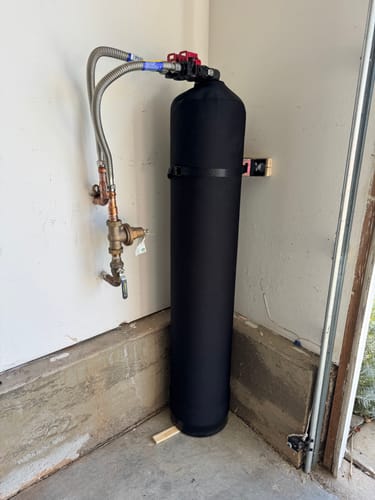
The first glass of water from our newly installed system was honestly disappointing. I expected immediate, dramatic improvement, but the taste was only marginally better than before. The chlorine smell was reduced but still detectable.
Over the next week, I learned that carbon-based filtration systems require a "conditioning" period. The media needs time to fully activate and develop optimal flow patterns. By day 10, the improvement became noticeable. By day 14, it was dramatic.
The transformation in water quality was remarkable.
TDS levels dropped from 340 ppm to 180 ppm—still containing beneficial minerals but removing excess dissolved solids. The chlorine odor disappeared completely. Most importantly, the taste became clean and neutral, without that metallic aftertaste that had plagued our tap water.
Coffee became a revelation. I hadn't realized how much the water quality was affecting flavor until I tasted coffee brewed with properly filtered water. The difference was like comparing a muddy pond to a mountain spring.
However, I did encounter some initial issues that required adjustment:
The backwash cycle was occurring too frequently for our actual usage patterns. After monitoring for two weeks, I adjusted the regeneration frequency from 7 days to 10 days, which proved more appropriate for our household of four.
Water pressure during peak usage times showed slight reduction—about 5 PSI at fixtures furthest from the main line. This wasn't problematic for normal use but became noticeable during simultaneous shower and dishwasher operation.
The backwash process consumes approximately 50 gallons over its 10-minute cycle. For households on well water with limited pump capacity, this could be a consideration, though it wasn't an issue for us on municipal supply.
Six Months of Real-World Performance
After six months of daily use, I can provide a comprehensive assessment based on actual performance data and household observations.
Water Quality Results:
Monthly TDS testing consistently shows readings between 175-185 ppm, indicating stable filtration performance. Chlorine test strips register zero detectable chlorine or chloramines. The taste improvement has remained consistent, without any degradation over time.
Our appliances have shown measurable improvement. The coffee maker, which previously required weekly descaling, now runs for over a month before showing any mineral buildup. The dishwasher's rinse aid consumption has decreased by roughly 30%, and glassware emerges spotless without that cloudy film.
Operational Costs and Efficiency:
The system currently backwashes every 10 days, consuming about 50 gallons per cycle. At our local water rates ($3.50 per 1,000 gallons), this costs approximately $5.25 monthly in backwash water.
Electricity consumption for the control valve is minimal—maybe $2-3 monthly based on our utility bills. The system operates entirely on water pressure, so no booster pumps or high-energy components are required.
I haven't yet reached the media replacement interval, which SoftPro estimates at 5-7 years depending on water quality and usage volume. At current performance levels, I expect to achieve the full projected lifespan.
Household Impact:
The most unexpected benefit has been skin and hair improvement. My wife's hair feels noticeably softer, and our teenage daughter's sensitive skin shows less irritation after showers. We're using roughly 25% less shampoo and body wash to achieve the same cleansing results.
Laundry results have improved as well. Whites stay whiter longer, and colors seem more vibrant. We've reduced fabric softener usage since clothes don't feel as stiff after washing.
Maintenance Experience:
Monthly system checks take about 5 minutes—just verifying proper backwash cycles and checking for any leaks or unusual pressure readings. The control valve's digital display makes monitoring straightforward, showing days until next regeneration and tracking total gallons processed.
I've had no mechanical issues or service calls. The Fleck valve has operated flawlessly, and the tank shows no signs of wear or degradation.
Honest Assessment: Limitations and Drawbacks
Despite my overall satisfaction, this system isn't perfect, and potential buyers should understand its limitations.
Installation Complexity:
The documentation situation remains problematic. SoftPro should provide model-specific installation guides rather than generic valve manuals. Weekend installation support would eliminate the frustration I experienced with programming uncertainties.
The system's physical size may not fit all homes. Our utility room barely accommodated the footprint requirements, and homes with limited space might need to consider alternative locations or smaller capacity models.
Performance Limitations:
While excellent for chlorine, chloramines, and organic contaminants, this system doesn't address hardness minerals. Households with severe hard water issues would need additional water softening equipment.
The 7 GPM service flow rate, while adequate for most residential applications, could become a bottleneck in larger homes with high simultaneous demand. Multiple teenage daughters taking concurrent showers might notice pressure reduction.
Iron removal is limited to very low levels. Well water with significant iron content would require pre-treatment before this system.
Cost Considerations:
The initial investment is substantial—significantly more than simple carbon filters or basic water softeners. Budget-conscious households might find the upfront cost challenging, despite long-term operational savings.
Media replacement, while infrequent, will eventually cost several hundred dollars. This should be factored into long-term ownership calculations.
Minor Operational Issues:
The backwash cycle is audible throughout the house—not loud, but noticeable during nighttime hours. I've programmed regeneration for 2 AM to minimize disruption.
During backwash cycles, water pressure temporarily drops as the system diverts flow for cleaning. This isn't problematic unless you happen to be showering during regeneration.
Final Verdict and Recommendation
After six months of ownership, I would absolutely purchase this system again. The transformation in our water quality has exceeded expectations, and the operational reliability has been flawless.
This system excels for households dealing with:
Municipal water with heavy chlorine or chloramine treatment, taste and odor issues that affect drinking water enjoyment, mild to moderate dissolved solids requiring reduction, homes wanting comprehensive whole-house filtration without ongoing filter cartridge replacement.
Consider alternatives if you have:
Severe hard water requiring aggressive mineral removal, well water with high iron, sulfur, or bacterial contamination, limited space for a full-size pressure tank system, budget constraints that make the initial investment challenging.
The value proposition becomes clear when you consider alternatives. Bottled water for a family of four costs roughly $100 monthly. Whole-house cartridge filters require frequent replacement and rarely address chloramines effectively. This system's operating costs are minimal, and the media lifespan makes it economically sensible for long-term homeowners.
Would I recommend it to friends? Absolutely, with the caveat that they understand the installation requirements and have realistic expectations about what it does and doesn't address.
The improvement in daily water quality—from drinking and cooking to bathing and laundry—has been transformative. Six months later, I still appreciate the clean, neutral taste every time I fill a glass from our tap.
Despite the initial installation frustrations and documentation gaps, this system has proven to be a solid investment in our home's water quality. For households dealing with similar water quality issues, especially those tired of the ongoing expense and inconvenience of bottled water or frequent filter changes, the SoftPro Whole House Catalytic Bone Char Carbon system delivers on its promises.